The Chemical Health Risk Assessment (CHRA) is an assessment of risk to health related to the use of Chemicals Hazardous To Health (CHTH) at workplace as required by the Occupational Safety and Health (Use and Standard of Exposure of Chemicals Hazardous to Health) Regulation 2000.
Purpose of conducting CHRA is to enable decisions to be made on:
Purpose of Sampling:
a) To monitor the integrity and performance of hazard control systems
b) To access health risk of person at work place
To evaluate & document exposure level (Personal & Static) of hazardous chemical to health as prescribed under Use and Standard of Exposure of Chemicals Hazardous to Health Regulations 2000.
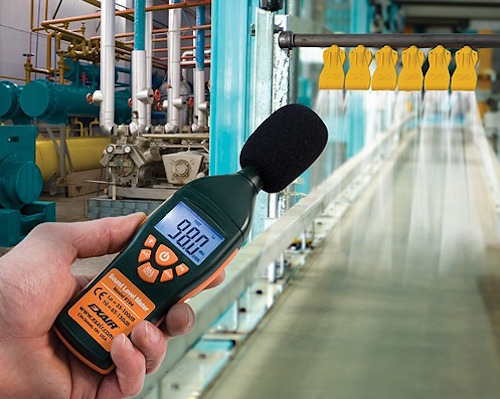
Methodology of Noise Risk Assessment:
Components in Hearing Conservation Program
a) Noise Risk Assessment
b) Noise Reduction measures;
– Engineering control
– Administrative control
– Personal hearing protectors (PHP)
c) audiometric testing
d) information, instruction and training
e) Record keeping
Every employer has conducted a Noise Risk Assessment and shows that any employee is exposed to excessive noise exceeding the limit specified in the regulations; as per Occupational Safety & Health (Noise Exposure) Regulations 2019.
The employer shall cause an Audiometric Testing to be carried out on such employee annually. For the purpose of carrying out the Audiometric Testing, the employer shall appoint an Audiometric Testing center approved by Director General.
All audiometric testing shall be conducted by a trained audiometric technician at an approved audiometric test center.
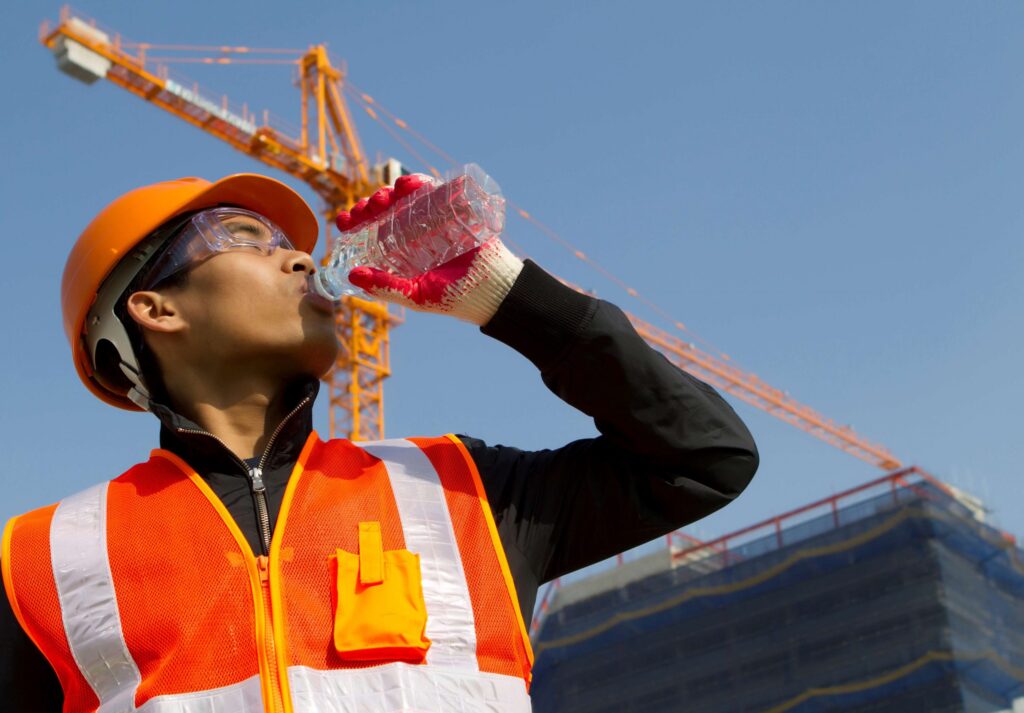
A warm or hot environment can compromise concentration, vigilance, or steadiness of employees. It is one of the general duties of employer and self-employed person as prescribed under the Occupational Safety and Health Act 1994 [Act 514] to provide a safe working environment and without risk to their employees’ health.
Code of Practice on Indoor Air Quality was introduced by the Department of Occupational Safety and Health (DOSH) in 2005 to provide the guidelines and standards to protect the health of workers and other occupants of an indoor or enclosed environment served by mechanical ventilation and/or air conditioning. This practice is applicable in all non-industrial workplaces that are listed in First Schedule Occupational Safety and Health Act 1994 (Act 514).
In 2010, the Department has introduced the Industry Code of Practice on Indoor Air Quality 2010 to increase the compliance of designated workplace.
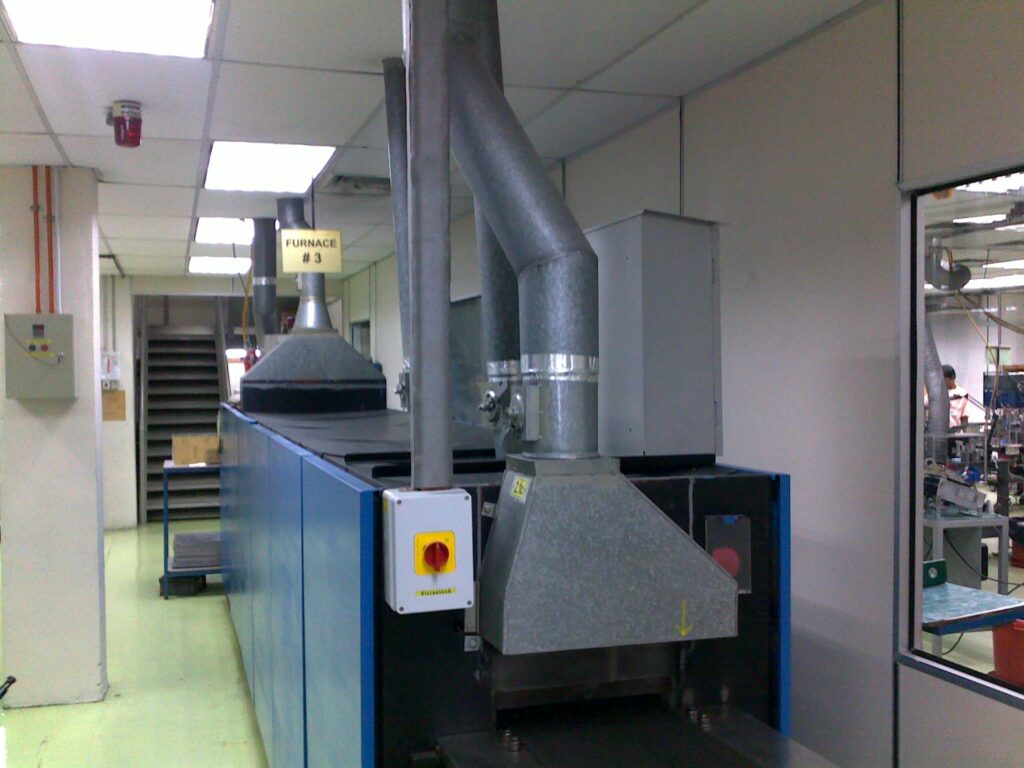
In its simplest terms Local Exhaust Ventilation is an engineering system to protect employees from exposure to hazardous substances by containing or capturing them locally, at the emission point by comply with Regulation 17 : Engineering Control Equipment required under Use and Standard of Exposure of Chemicals Hazardous to Health Regulations 2000.
Local Exhaust Ventilation (LEV) is only one of many engineering control options that may be used to remove and prevent employee exposure to vapor, mist, dust or other airborne contaminants. To be effective in protecting the employee(s), it is important that it is of good design, is fit for purpose, is regularly maintained and the system’s performance is monitored.
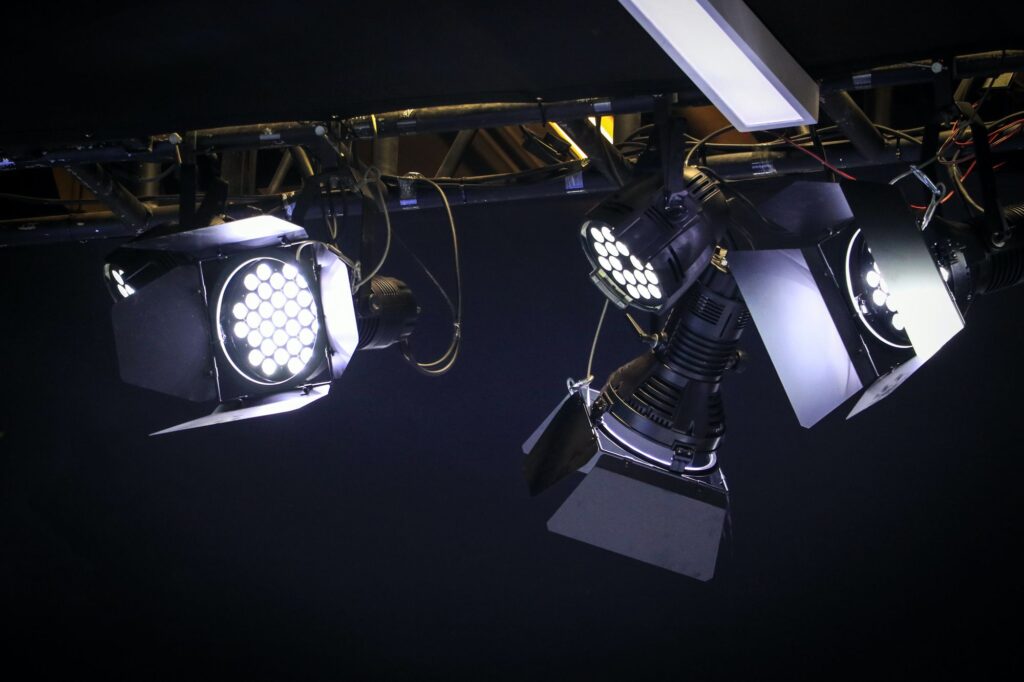
Guidelines cover issues related to interior lighting in the workplaces under the purview of Occupational Safety and Health Act 1994 [Act 514].
The purpose of the guidelines is to provide guidance on how
Ergonomics or human factors is the scientific discipline concerned with the understanding of interactions among humans and other elements of a system, and the profession that applies theory, principles, data and methods to design in order to optimize human well-being and overall system performance. Currently, there are many cases of occupational diseases caused by ergonomics risk factors that have been reported in Malaysia.
An Ergonomics Risk Assessment involves two levels which are Initial ERA and Advanced ERA. The objectives of conducting ERA are to:
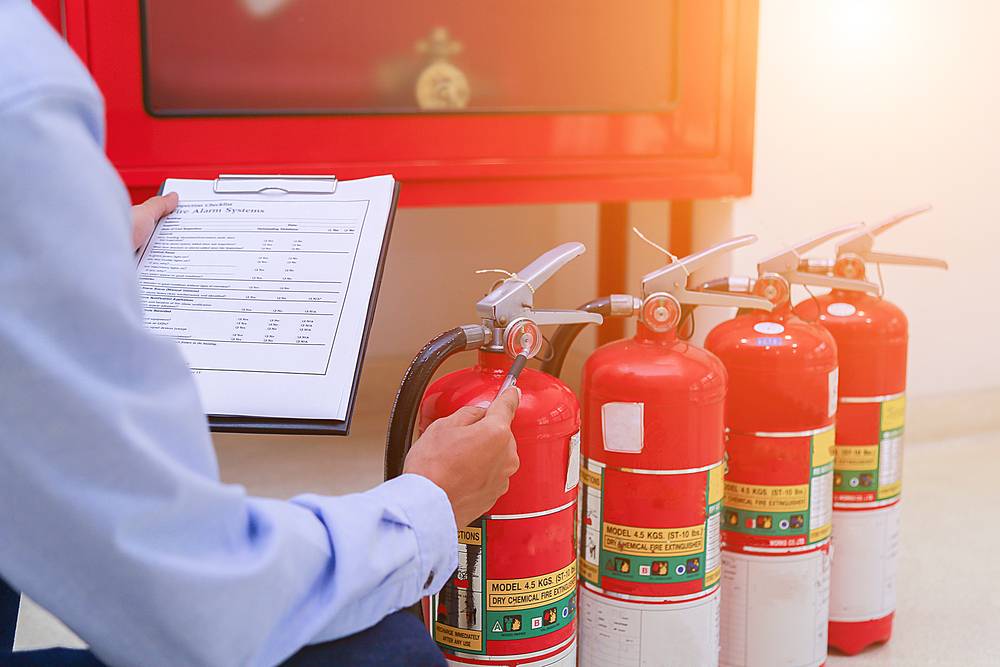
Fire is a potential hazard in any part of the premises. This hazard to the health, safety, and life of occupants, as well as property damage or loss. As a result, routine company operations are disrupted. A fire Risk Assessment is an evaluation of a structure to determine its fire risk and, if necessary, make recommendations to make the structure safer. To comply with the Uniform Building By-Laws (UBBL) 1984, the building code must include nine requirements, including preliminary, plan submission for approval, space lighting and ventilation, temporary works, structural requirements, fire requirements, fire alarms, fire detection, fire extinguishing and firefighting access, and miscellaneous.
Therefore, managing the risk of fire needs a combination of effective preventative and protection measures that vary according to the:
![]()
Etiam magna arcu, ullamcorper ut pulvinar et, ornare sit amet ligula. Aliquam vitae bibendum lorem. Cras id dui lectus. Pellentesque nec felis tristique urna lacinia sollicitudin ac ac ex. Maecenas mattis faucibus condimentum. Curabitur imperdiet felis at est posuere bibendum. Sed quis nulla tellus.
63739 street lorem ipsum City, Country
+12 (0) 345 678 9
info@company.com